Introduction
Engaging with your community and participating in local governance might seem like a daunting task, often perceived as a realm reserved for seasoned politicians or long-time activists. However, the truth is that local activism and involvement in civic affairs are accessible to everyone, and they are crucial for fostering positive change right where you live. From advocating for better public services to shaping local policies, your voice and actions can make a significant difference. This comprehensive guide will walk you through the essential steps and strategies for becoming an effective community activist and an engaged participant in local governance, empowering you to contribute meaningfully to the betterment of your neighborhood and city.
Understanding the Importance of Local Engagement
Before diving into the ‘how-to,’ it’s vital to grasp why local engagement matters. Decisions made at the local level directly impact your daily life, from the quality of your schools and parks to the safety of your streets and the availability of public transportation. Local governance is often more responsive and accessible than state or national politics, offering more direct avenues for influence. When citizens actively participate, it strengthens democratic processes, holds local leaders accountable, and ensures that diverse community needs and perspectives are represented in decision-making.
The Ripple Effect of Local Action
Even small actions at the local level can create a ripple effect, leading to broader changes. A successful campaign for a new community garden, for instance, can inspire similar initiatives in other neighborhoods, fostering a sense of collective responsibility and improving urban green spaces. Similarly, advocating for a local policy change, such as improved waste management or pedestrian-friendly infrastructure, can set precedents that influence regional or even national discussions. This grassroots approach is often where significant societal shifts begin, making local engagement a powerful catalyst for progress.
Identifying Your Passion and Local Issues
The first step to effective activism is identifying what truly matters to you. What issues in your community stir your passion or concern? Is it environmental protection, educational reform, social justice, economic development, or something else? Pinpointing your interests will help you focus your efforts and sustain your motivation. Start by observing your surroundings, reading local news, and talking to your neighbors. Common local issues include:
•Environmental Concerns: Local pollution, lack of green spaces, waste management, climate change initiatives.
•Education: School funding, curriculum development, after-school programs, teacher support.
•Public Safety: Crime rates, community policing, emergency services, neighborhood watch programs.
•Infrastructure: Road maintenance, public transportation, housing affordability, zoning laws.
•Social Justice: Equity and inclusion, support for marginalized communities, addressing homelessness, food insecurity.
Once you have a general idea, research these issues further. Understand their root causes, who is affected, and what existing efforts are underway to address them. This initial research will form the foundation of your advocacy.
Getting Started: Practical Steps for Community Activism
1. Educate Yourself and Others
Knowledge is power. Become well-informed about the issues you care about. Read reports, attend public meetings, and consult experts. Once you’re knowledgeable, share what you’ve learned with others. Organize informal discussions, create informational flyers, or use social media to raise awareness. The more people understand an issue, the more likely they are to support efforts to address it.
2. Join or Start a Local Group
There’s strength in numbers. Look for existing community organizations, advocacy groups, or non-profits that align with your interests. Joining an established group provides immediate access to resources, experienced activists, and a network of like-minded individuals. If no such group exists, consider starting one. Begin with a few committed individuals, define your mission, and gradually expand your membership. Organizations like neighborhood associations, environmental clubs, or parent-teacher associations are excellent starting points.
3. Attend Public Meetings
Local government meetings—such as city council sessions, school board meetings, or planning commission hearings—are where important decisions are made. Attending these meetings allows you to witness the decision-making process firsthand, understand local policies, and identify opportunities for intervention. Many meetings include a public comment period, offering a chance to voice your concerns directly to elected officials. Even if you don’t speak, your presence demonstrates community interest and engagement.
4. Contact Your Elected Officials
Your local elected officials are your representatives. They are there to serve the community and respond to your concerns. Don’t hesitate to contact them via email, phone, or even a personal meeting. Clearly articulate your issue, explain why it matters, and suggest potential solutions. A well-reasoned letter or email from a constituent can be very influential. Encourage others in your network to do the same, as a coordinated effort can amplify your message.
5. Organize and Mobilize
Effective activism often requires organizing events and mobilizing community members. This could involve:
•Petitions: Gathering signatures to demonstrate widespread support for a cause.
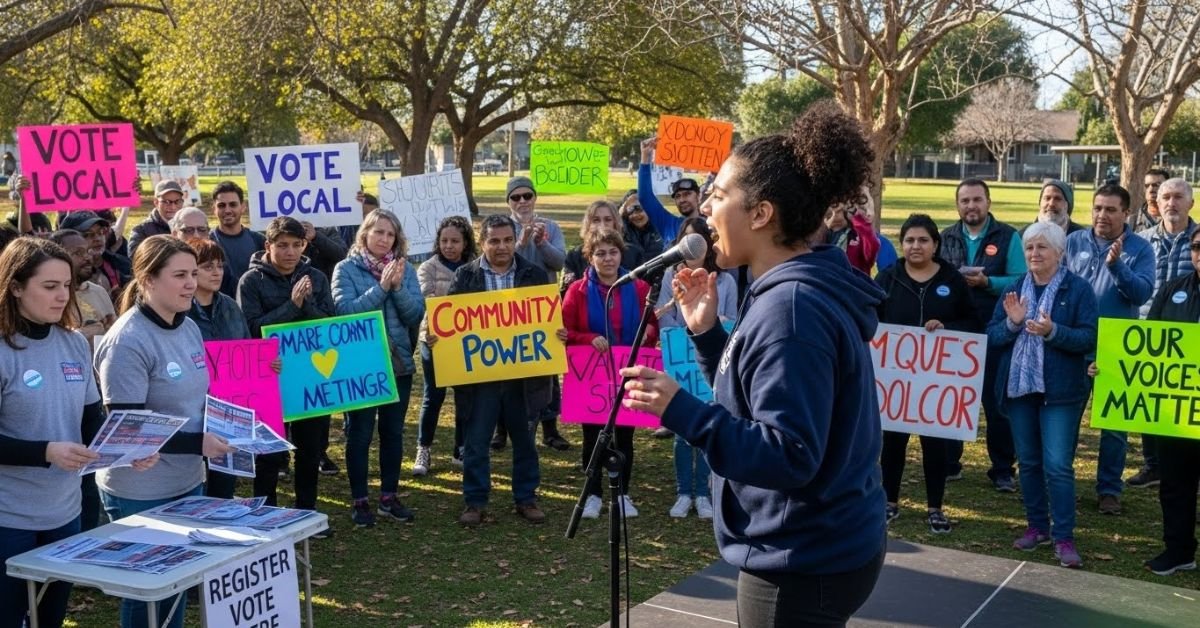
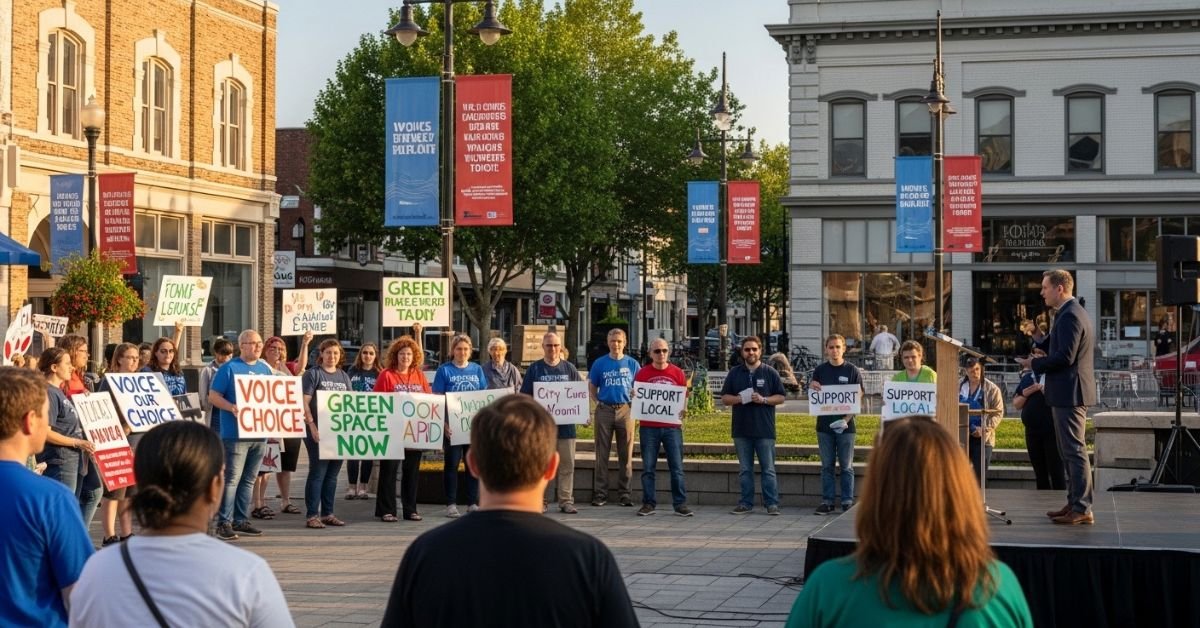
•Rallies or Protests: Public demonstrations to draw attention to an issue and pressure decision-makers.
•Community Workshops: Educational sessions to inform residents and gather input on solutions.
•Fundraisers: Collecting resources to support advocacy efforts or specific community projects.
When organizing, focus on clear objectives, effective communication, and building broad coalitions. Collaborate with other groups and individuals to maximize your impact.
6. Volunteer Your Time and Skills
Many local initiatives and non-profits rely heavily on volunteers. Offering your time and skills can be a direct way to contribute. Whether it’s helping at a local food bank, cleaning up a park, or providing administrative support to an advocacy group, your efforts are invaluable. Consider how your professional skills—such as writing, graphic design, social media management, or event planning—can be leveraged for community benefit.
Navigating Local Governance: Beyond Activism
While activism focuses on advocating for change from the outside, engaging in local governance means participating in the formal structures of decision-making. This can involve serving on boards, commissions, or even running for elected office.
1. Serve on Boards and Commissions
Most local governments have numerous boards and commissions that advise on specific areas, such as planning, zoning, parks, libraries, or public safety. These positions are often filled by appointed volunteers from the community. Serving on a board or commission allows you to directly influence policy development and implementation. It’s an excellent way to gain experience in local governance and make a tangible impact. Research your local government’s website for information on available positions and application processes.
2. Understand Local Ordinances and Policies
Familiarize yourself with your city’s or county’s ordinances, comprehensive plans, and other key policy documents. These documents dictate how your community operates and develops. Understanding them will enable you to advocate more effectively and identify areas where change is needed. Many local governments make these documents publicly available online.
3. Consider Running for Local Office
For those deeply committed to public service and systemic change, running for local office is the ultimate form of engagement. Positions like city council member, school board trustee, or park district commissioner offer direct power to shape your community’s future. While challenging, it’s a profoundly rewarding way to serve. Resources like dewforpolitics.com/biography/ can provide insights into individuals who have successfully navigated the political landscape and dedicated themselves to public service. Understanding their journeys can offer valuable lessons and inspiration for aspiring local leaders.
4. Stay Informed and Vote Locally
Even if you’re not actively involved in activism or governance, staying informed about local elections and voting is paramount. Research candidates, understand their platforms, and cast your vote. Local elections often have lower voter turnout, meaning your vote carries more weight and can significantly influence outcomes. Support candidates who align with your values and demonstrate a commitment to community well-being.
Building Coalitions and Sustaining Momentum
Community activism and local governance are rarely solitary endeavors. Building strong coalitions and maintaining momentum are key to long-term success.
Collaborate with Diverse Groups
Seek out partnerships with other community groups, businesses, faith-based organizations, and educational institutions. Diverse coalitions bring a wider range of perspectives, resources, and skills to the table, increasing the likelihood of achieving your goals. Find common ground and work together towards shared objectives.
Practice Persistence and Patience
Change often happens slowly, especially in the realm of public policy. Be prepared for setbacks and frustrations. Persistence is crucial. Celebrate small victories, learn from challenges, and maintain a long-term perspective. Building relationships, educating the public, and influencing decision-makers takes time and sustained effort.
Self-Care for Activists
Activism can be emotionally and physically demanding. It’s essential to practice self-care to avoid burnout. Take breaks, connect with supportive friends and family, and engage in activities that rejuvenate you. A sustainable activist is an effective activist.
Conclusion
Getting involved in community activism and local governance is not just a civic duty; it’s an opportunity to directly shape the world around you. Whether you’re advocating for a specific cause, volunteering your time, or aspiring to hold public office, your engagement is invaluable. By understanding local issues, connecting with others, and utilizing the various avenues available for participation, you can become a powerful force for positive change. Your community needs your voice, your passion, and your commitment. Start today, and watch the ripple effect of your actions transform your local landscape for the better.