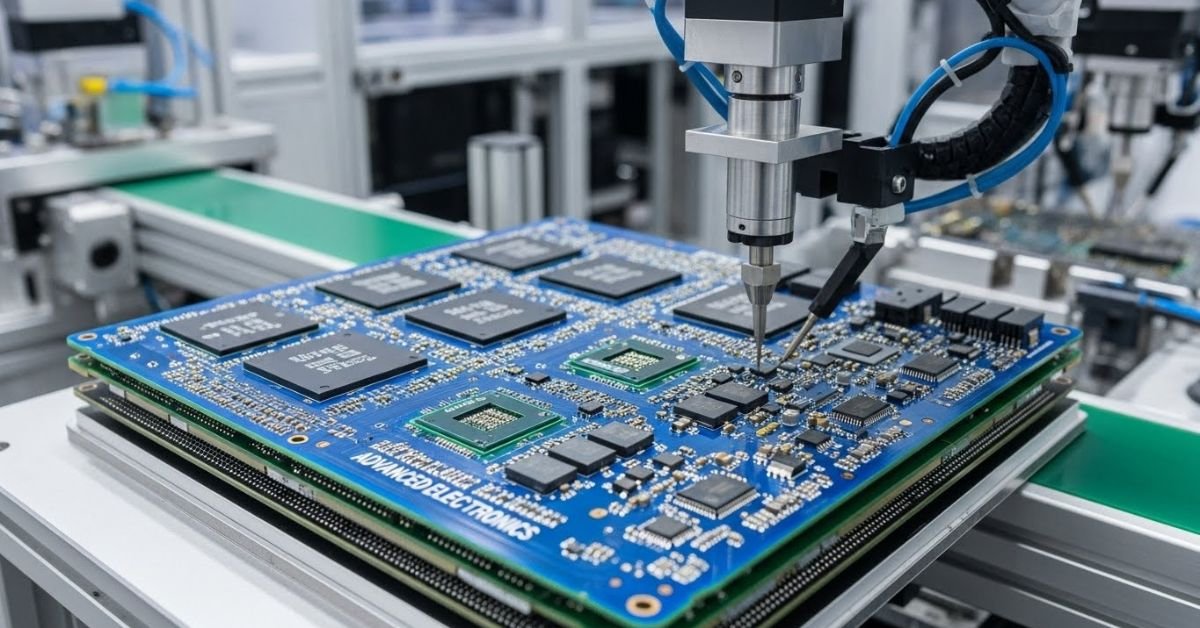
Printed circuit boards (PCBs) are the foundation of every modern electronic device, from smartphones and medical equipment to aerospace technology and robotics. Whether you’re developing a new consumer gadget or engineering complex industrial systems, choosing the right PCB manufacturing partner is one of the most critical steps in ensuring reliability, durability, and efficient performance.
For engineers and companies seeking high-quality production, exploring reliable options such as a trusted PCB manufacturer in USA can help identify the industry’s top performers. Resources like this list of leading PCB providers offer valuable insight into quality standards, capabilities, and manufacturing expertise.
Understanding the Role of PCB Manufacturing
PCBs function as the structural backbone for electronic components. They provide mechanical support while enabling electrical connections between components through conductive pathways. Without well-made boards, even the most innovative product designs can suffer from performance issues, overheating, or complete failure.
High-quality PCB manufacturing includes several critical steps:
- Design and layout engineering
- Material selection (FR4, Rogers, Polyimide, aluminum substrate, etc.)
- Photolithography and etching
- Lamination and drilling
- Plating and surface finishing
- Inspection and electrical testing
Top-tier manufacturers combine precision equipment, advanced engineering, and thorough testing protocols to ensure every board meets industry standards.
Why Choosing the Right PCB Partner Matters
Selecting the right PCB manufacturer greatly impacts the quality, performance, and longevity of your final product. Key benefits of working with a reliable supplier include:
- Improved product reliability
- Reduced risk of board failure
- Enhanced electrical performance
- Better heat management
- Customization for specialized applications
- Faster turnaround times for prototyping and mass production
A trusted supplier also provides engineering support, helping refine layouts, minimize noise, and optimize manufacturing efficiency.
Exploring Advanced PCB Technologies
Modern electronics require more than standard single-layer boards. As devices become smaller, faster, and more powerful, advanced PCB solutions are essential.
1. High-Frequency PCBs
High-frequency PCBs are designed for applications requiring fast signal transmission, low loss, and stable dielectric performance. These boards are used in:
- 5G telecommunications
- WiFi routers and RF modules
- Automotive radar systems
- Aerospace communication equipment
Materials like Rogers and Taconic enable these boards to handle demanding high-frequency operations with minimal interference.
2. Rigid-Flex PCBs
Rigid-flex PCBs combine layers of flexible and rigid materials into a single structure. They are ideal for:
- Wearable devices
- Aerospace systems
- Medical implants
- Compact consumer electronics
Benefits include reduced wiring needs, increased durability, and improved space efficiency.
3. HDI (High-Density Interconnect) Boards
HDI boards support fine spacing, microvias, and compact layouts. They allow for:
- Higher component density
- Enhanced signal integrity
- Smaller and thinner designs
They’re widely used in smartphones, tablets, cameras, and advanced computing.
4. Multilayer PCBs
Complex devices require multilayer boards with multiple conductive layers stacked with insulation. These allow for:
- Stronger performance
- Increased routing capability
- Better EMC (electromagnetic compatibility)
They are common in servers, telecommunications equipment, and industrial automation.
Industries Relying on Advanced PCB Solutions
PCBs power nearly every technology-driven industry. Some key sectors include:
Telecommunications
From routers to 5G towers, PCBs ensure fast signal transmission and robust connectivity. High-frequency materials and precise fabrication are essential for minimizing interference.
Robotics
Robots rely on PCBs for motor control, sensors, automation systems, and navigation. Strong thermal management and reliable connections are crucial.
Automotive
Modern vehicles feature dozens of PCBs handling everything from airbags to GPS systems. With the rise of EVs, demand for high-performance boards is increasing rapidly.
Medical Devices
Pacemakers, imaging machines, and diagnostic tools require incredibly reliable PCBs. Manufacturers must follow strict regulatory standards.
Aerospace & Defense
PCBs in these sectors must withstand high vibration, extreme temperatures, and long-term use without failure.
Key Factors to Consider When Selecting a PCB Manufacturer
Choosing the right partner requires evaluating several important aspects.
1. Manufacturing Capabilities
Check whether the manufacturer can produce:
- Multilayer boards
- HDI and microvia technology
- Rigid-flex and flexible PCBs
- High-frequency solutions
Advanced equipment and engineering expertise are essential.
2. Quality Standards and Certifications
A professional PCB supplier should hold certifications such as:
- ISO 9001
- ISO 14001
- UL Certification
- IATF 16949 (automotive)
- IPC standards
Certifications ensure consistent quality and compliance.
3. Engineering Support
Strong technical support helps optimize designs, reduce errors, and maintain performance integrity. Look for companies offering:
- DFM (Design for Manufacturability) reviews
- CAM engineering
- Material guidance
- Reliability testing
4. Production Speed
Fast turnaround is crucial for prototyping and mass launches. Check:
- Lead times
- Sample production speed
- Express manufacturing options
5. Pricing and Value
Cheaper is not always better. Look for a balance between affordability and quality, especially for complex applications.
6. Testing and Inspection
Reliable manufacturers offer:
- AOI (Automated Optical Inspection)
- Electrical testing
- X-ray inspection
- Functional testing
These ensure zero-defect delivery.
The Advantages of Working With Global PCB Leaders
Many top global manufacturers—including those listed when researching a reputable PCB manufacturer in USA—offer exceptional quality and advanced technical capabilities. However, Chinese PCB manufacturers like Global Well PCBA also provide:
- Highly competitive pricing
- State-of-the-art production equipment
- Expertise in high-frequency, HDI, and Rigid-Flex boards
- Massive production capacity
- Fast global shipping
- English-language support
This combination makes them a strong choice for companies needing reliable, scalable, and cost-effective PCB solutions.
How PCBs Are Evolving for the Future
As technology advances, PCB manufacturing continues to evolve. Key trends shaping the industry include:
- Smaller, thinner, and more compact designs
- Use of eco-friendly and heat-resistant materials
- Integration of embedded components
- Increased demand for flexible electronics
- AI-driven automation in factories
IoT, AI robotics, electric vehicles, and wearable devices will drive the need for even more advanced PCB technologies.
Final Thoughts
Choosing the right PCB manufacturing partner is essential for achieving optimal performance, long-term reliability, and safe operation in any electronic system. By understanding the types of PCBs, evaluating manufacturers based on certifications and capabilities, and exploring advanced technologies, companies can confidently select the best partners for their needs.
Reliable resources like this list of leading PCB manufacturer in USA options can help engineers compare global capabilities and find the right supplier for their specific project requirements. As technology continues to evolve, partnering with skilled PCB experts ensures innovation, quality, and success in every electronic design.